
The Science Behind the Garbage Bag: Material Innovation & Durability
The Science Behind the Garbage Bag: Material Innovation & Durability
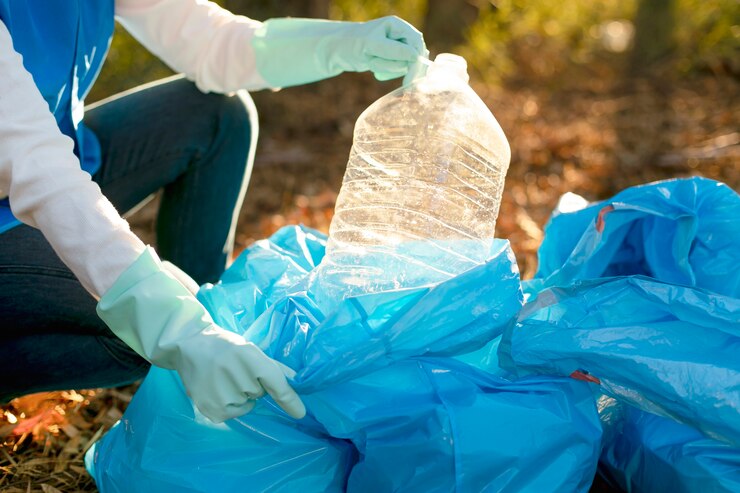
The humble garbage bag, a mainstay in every household, plays a crucial role in our daily lives. But have you ever stopped to think about the science behind these seemingly simple bags? From the materials they're made of to the innovations that enhance their durability, the story of the garbage bag is more fascinating than you might imagine.
The Foundation: Polyethylene Takes Center Stage
The workhorse material in most garbage bags is polyethylene, a type of plastic. There are two main variations used:
Low-Density Polyethylene (LDPE): This is the most common type, known for its flexibility and rustle. LDPE bags are ideal for lighter weight household waste.
High-Density Polyethylene (HDPE): Offering superior strength and puncture resistance, HDPE bags are a good choice for heavier trash, sharp objects, or yard waste.
Beyond the Basics: Additives for Strength and Performance
While polyethylene forms the base, additional ingredients play a vital role in a garbage bag's performance:
Linear Low-Density Polyethylene (LLDPE): This combines the flexibility of LDPE with some of the strength of HDPE, offering a good balance for everyday use.
Additives: These can include color pigments for differentiation, UV stabilizers to prevent sunlight degradation, and anti-clumping agents to prevent sticking.
Multi-layering: Some high-performance garbage bags utilize a multi-layer construction. By combining different types of polyethylene, manufacturers can achieve a balance of strength, flexibility, and puncture resistance.
The Art of Thickness: Microns and Mil
The thickness of a garbage bag is a crucial factor in its durability. It's typically measured in microns (µm) or mils (1 mil = 25.4 microns). Here's a general guide:
Light-duty bags (LDPE): 10-15 microns (0.4 – 0.6 mil) - Ideal for everyday household waste.
Standard-duty bags (LDPE/LLDPE): 18-25 microns (0.7 – 1.0 mil) - Suitable for most household trash.
Heavy-duty bags (HDPE): 30 microns and above (1.2 mils and above) - Best for heavy objects, yard waste, or construction debris.
Innovation for a Sustainable Future:
The traditional plastic garbage bag has faced criticism for its environmental impact. However, advancements are being made:
Biodegradable Materials: Research into biodegradable polymers derived from plant-based sources is ongoing, offering a more sustainable alternative.
Recycled Content: Some manufacturers are incorporating recycled plastic content into garbage bags, reducing reliance on virgin plastic.
Compostable Bags: These specialized bags are designed to break down in compost piles, offering a solution for organic waste disposal.
Choosing the Right Garbage Bag:
Understanding the science behind garbage bags empowers you to make informed choices. Consider factors like:
Type of waste: Match the bag's strength to the weight and potential sharpness of the trash.
Volume: Choose a bag size that accommodates your typical waste volume to avoid overfilling and tearing.
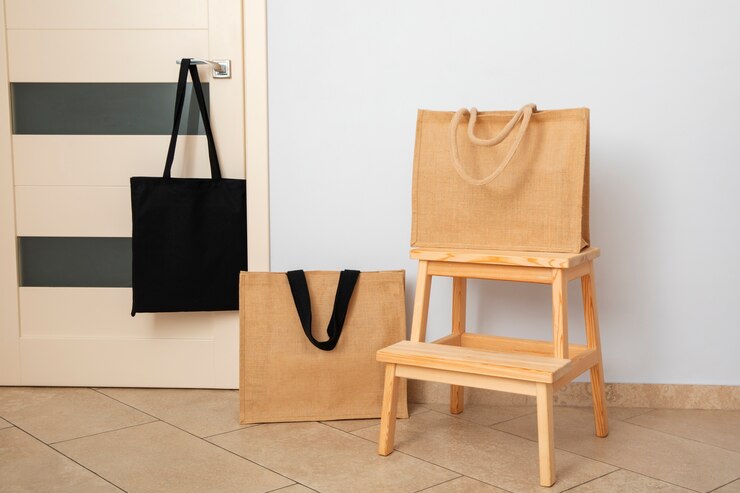
Environmental impact: Opt for recycled content, biodegradable options, or even reusable bags when possible.
Conclusion:
The next time you reach for a garbage bag, take a moment to appreciate the science and innovation that goes into its creation. From the carefully selected materials to the thickness variations, garbage bags are more than just a way to contain trash. They are a testament to human ingenuity in creating solutions for everyday challenges, and with ongoing advancements, the future of garbage bags promises to be even more sustainable and efficient.
-
June 07, 2024
The History of the Ziplock Bag: A Kitchen Hero's Journey