
The History of the Ziplock Bag: A Kitchen Hero's Journey
The History of the Ziplock Bag: A Kitchen Hero's Journey
The humble Ziplock bag, a ubiquitous presence in kitchens worldwide, boasts a surprisingly interesting history. From an unfulfilled dream of revolutionizing clothing zippers to becoming a champion of leftover storage, this blog delves into the fascinating journey of the Ziplock bag.
From Clothing to Plastic: The Birth of a New Closure (1951)
Our story begins in 1951 with Danish inventor Borge Madsen. Madsen wasn't aiming for kitchen fame; he envisioned a new type of zipper for clothing. His design differed from the traditional "teeth" by using interlocking plastic tracks and a slider mechanism. While innovative, it wasn't quite practical for garments.
Enter Flexigrip Inc., a company formed to develop and market Madsen's invention. They recognized the potential of the design beyond clothing and began exploring its use in other applications.
Pencil Cases and Looseleaf Binders: Early Experiments (1950s)
Flexigrip's initial forays involved incorporating their plastic zipper into flat vinyl pencil cases and loose-leaf binder inserts. While functional, these applications weren't exactly groundbreaking. The true potential of the resealable plastic closure was yet to be discovered.
The Dawn of Minigrip: Industrial Applications Take Center Stage (1961)
A crucial turning point came in 1961. Flexigrip developed a new production process that significantly reduced the cost of manufacturing their plastic zippers. This paved the way for the creation of Minigrip, a company dedicated to marketing these reclosable plastic bags primarily for industrial uses.
A Fifth Grader's Revelation: The Food Storage Eureka Moment (1954)
While Minigrip focused on industrial applications, a pivotal moment occurred in 1954, outside the company's purview. A resourceful fifth-grader named Robert Lejeune discovered the perfect use for these reclosable bags – food storage! This seemingly simple observation laid the groundwork for the future success of the Ziplock bag.
Dow Chemical Enters the Scene: The Birth of a Brand (1964)
The potential of Minigrip's reclosable bags for food storage didn't go unnoticed. In 1964, Dow Chemical, a leading producer of polyethylene resin (the ideal material for these bags), approached Minigrip. Dow envisioned marketing these bags directly to consumers in the supermarket industry.
Negotiations and Innovation: The Road to Ziploc (1964-1968)
Several years of negotiations followed between Dow and Minigrip. Dow saw the immense potential for consumer applications, while Minigrip primarily focused on industrial markets. Finally, an agreement was reached, paving the way for a new brand – Ziploc.
1968: Ziploc Bags Hit the Shelves – A Kitchen Revolution Begins
The year 1968 marked a turning point in kitchen history. Dow Chemical officially launched the Ziploc bag, forever changing how we store and preserve food. The convenience and practicality of these resealable bags resonated with consumers, and Ziploc quickly became a household name.
Beyond Sandwiches: The Rise of a Versatile Hero
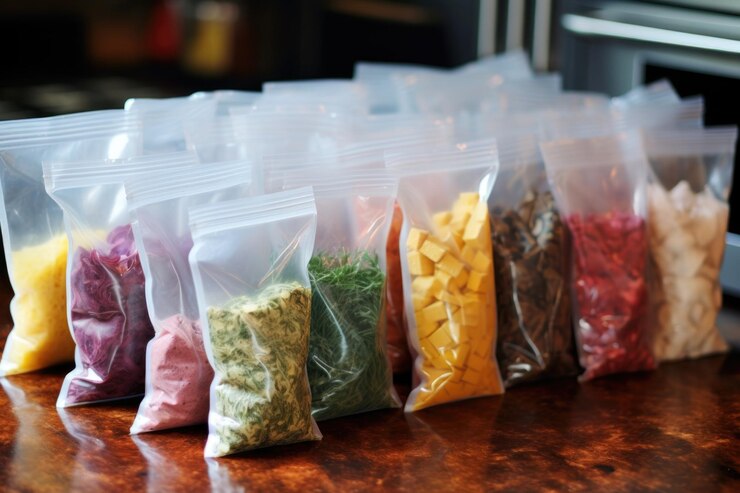
While initially marketed for sandwiches and leftover storage, Ziplock bags quickly proved their versatility. From marinating meats to storing vegetables, organizing craft supplies to creating freezer-friendly meal prep portions, Ziploc bags became a multi-purpose kitchen essential.
Innovation Continues: New Sizes, Materials, and Features
The Ziplock story doesn't end there. Recognizing the diverse needs of consumers, Dow Chemical continuously innovated. New sizes catered to specific food items, while stronger materials ensured durability. Features like double zippers and standing bottoms further enhanced functionality.
The Environmental Debate: A Call for Sustainability
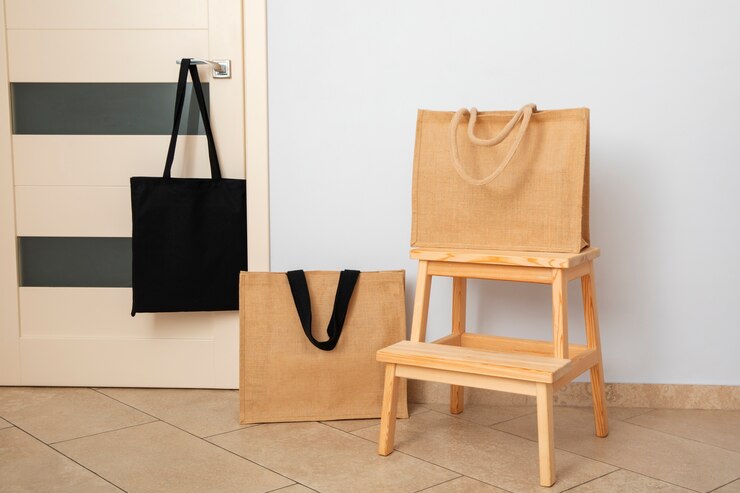
The convenience of Ziplock bags comes with an environmental cost. The rise in single-use plastics has sparked discussions about sustainability. Today, manufacturers are exploring eco-friendly alternatives, such as biodegradable and reusable Ziplock bags.
The Future of the Ziplock Bag: Balancing Convenience and Sustainability
As we move forward, the future of the Ziplock bag lies in striking a balance between convenience and environmental responsibility. Continued innovation in sustainable materials and consumer education on responsible use will be crucial.
The Ziplock Bag: A Legacy of Convenience and Innovation
From its unexpected origins to its ubiquitous presence in kitchens today, the Ziplock bag's journey is a testament to human ingenuity and adaptation. It's a story of how a simple invention, born from a different purpose, evolved into a kitchen hero, forever changing how we store, organize, and preserve food.
This blog merely scratches the surface of the Ziplock bag's history. Perhaps future discoveries will reveal even more fascinating details about this everyday kitchen essential.